
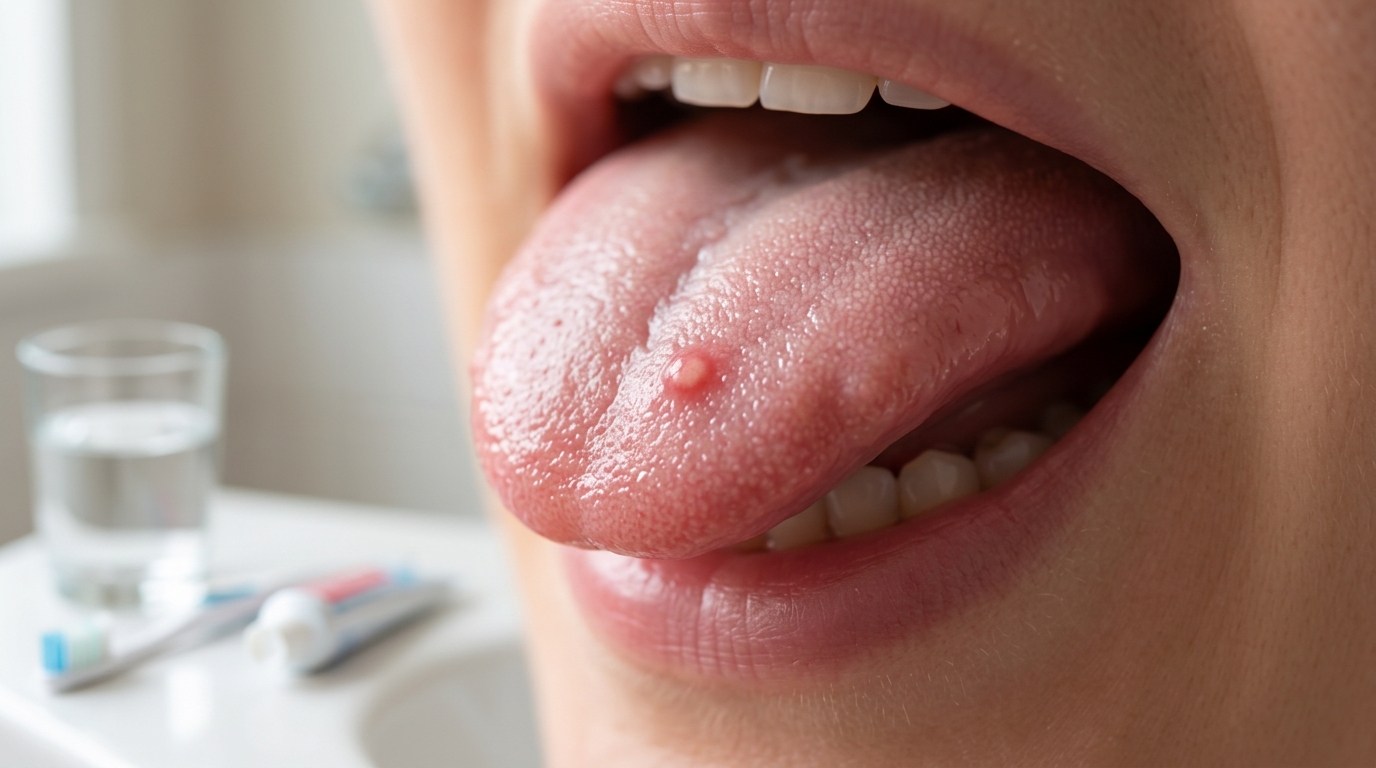
A lie bump on tongue is a common oral condition that can appear suddenly and cause discomfort while eating, drinking, or speaking. Despite its unusual name, this small bump has nothing to do with telling lies. It is usually harmless and often disappears on its own within a few days. However, the temporary pain and irritation can make everyday activities unpleasant. Understanding why a lie bump on tongue develops, how to manage it, and when it may require medical attention can help you feel more confident about your oral health and avoid unnecessary concern.
What Is a Lie Bump on Tongue?
A lie bump on tongue is the common name for a small inflamed bump that develops on the surface of the tongue. Medical professionals often refer to this condition as transient lingual papillitis. The bump may appear white, red, or slightly swollen and can be tender when touched. Although it can seem alarming because it appears suddenly, it is generally a temporary condition that heals without lasting effects. Most people experience a single bump, while others may notice several small bumps at the same time, depending on the underlying cause and individual sensitivity.
Common Causes of a Lie Bump on Tongue
Several factors can contribute to the development of a lie bump on tongue. Minor injuries from accidentally biting the tongue, eating sharp foods, or consuming very hot meals are common triggers. Stress and fatigue may also affect the body’s inflammatory response, making some individuals more likely to develop these bumps. Certain acidic or spicy foods can irritate the tongue and increase sensitivity. In some cases, food allergies, hormonal changes, or temporary irritation from dental appliances may also play a role. Often, the exact cause cannot be identified with complete certainty.
Symptoms You May Notice
The most noticeable symptom of a lie bump on tongue is a small, painful bump that appears unexpectedly. It may feel sore when the tongue touches the teeth or the roof of the mouth. Eating spicy, salty, or acidic foods can increase discomfort, while hot drinks may also worsen the irritation. Some people describe a burning or tingling sensation before the bump becomes visible. Although the condition is usually limited to the tongue, the temporary pain can make speaking, chewing, and swallowing less comfortable until the inflammation naturally begins to settle.
How Long Does a Lie Bump on Tongue Last?
In most cases, a lie bump on tongue heals naturally within two to five days without requiring medical treatment. Larger or more irritated bumps may take slightly longer, especially if the tongue continues to experience friction from food or accidental biting. Maintaining good oral hygiene and avoiding irritating foods can support faster healing. If the bump continues to grow, lasts longer than two weeks, or is accompanied by severe pain, fever, or other unusual symptoms, a dental or medical evaluation is recommended to rule out less common oral health conditions.
Effective Home Remedies for Relief
Simple home care measures can reduce discomfort while a lie bump on tongue heals. Rinsing the mouth with warm salt water helps keep the area clean and may reduce mild inflammation. Drinking plenty of water supports overall oral health and prevents dryness that can increase irritation. Choosing soft foods for a few days can minimize friction against the sensitive area. Avoiding tobacco products, alcohol, and highly spicy or acidic foods may also improve comfort. Over-the-counter oral pain relief products can provide temporary relief if the soreness becomes difficult to manage.
When You Should Seek Medical Advice
Although a lie bump on tongue is usually harmless, certain situations deserve professional attention. If the bump does not improve after two weeks, repeatedly returns without a clear reason, or becomes unusually large, it is wise to consult a healthcare provider or dentist. Persistent ulcers, unexplained bleeding, or significant swelling should never be ignored because they may indicate another oral condition requiring diagnosis. A professional examination can identify whether the problem is simply temporary inflammation or a different issue that needs targeted treatment and ongoing monitoring.
Preventing Future Lie Bumps
While it is impossible to prevent every lie bump on tongue, healthy habits can reduce the likelihood of future episodes. Practicing consistent oral hygiene helps limit irritation and supports overall mouth health. Brushing gently, using a soft toothbrush, and cleaning the tongue carefully can protect delicate tissues. Limiting foods that repeatedly trigger irritation may also be beneficial. Managing stress through regular sleep, exercise, and healthy daily routines supports immune function and may decrease inflammation. Staying hydrated throughout the day further helps maintain a healthy environment inside the mouth.
Myths and Facts About Lie Bumps
Many myths surround the lie bump on tongue, largely because of its unusual name. The condition is not caused by dishonesty or any type of supernatural belief. It is also not generally considered contagious, so normal daily contact with others is safe. Another common misconception is that every tongue bump indicates a serious illness. In reality, most lie bumps are temporary inflammatory reactions that disappear without complications. Learning the facts helps reduce unnecessary anxiety and encourages people to respond with practical self-care rather than fear or misinformation.
Conclusion
A lie bump on tongue is usually a minor and temporary condition that resolves with simple care and patience. Although the discomfort can interfere with eating and speaking for a short time, most cases improve within a few days without medical treatment. Paying attention to oral hygiene, avoiding known irritants, and giving the tongue time to heal are often all that is needed. If symptoms become persistent, severe, or unusual, seeking professional evaluation is the safest approach. Understanding this common condition allows you to manage it confidently while protecting your long-term oral health.