
What Is Tobiko and Where Does It Come From
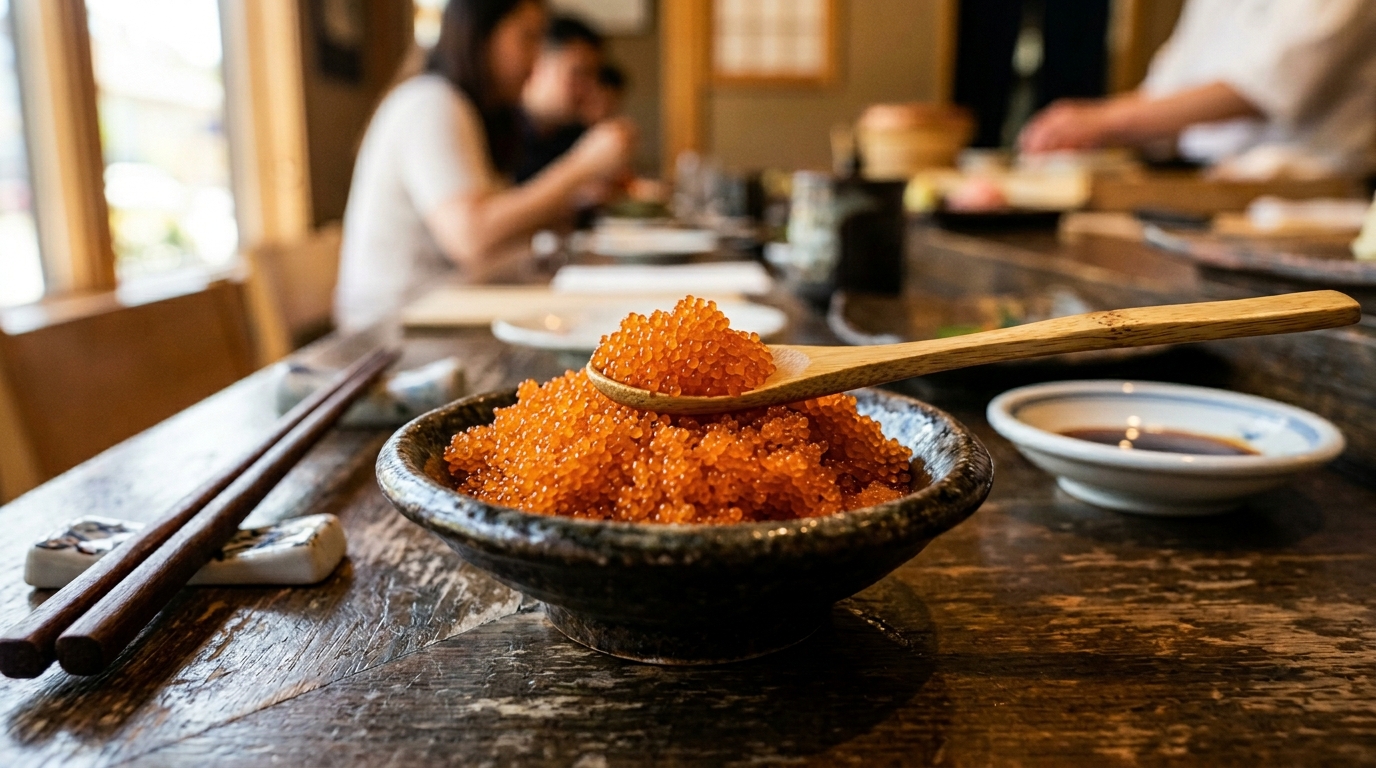
Tobiko refers to the roe, or eggs, of flying fish, a species known for its ability to glide above the ocean surface. These tiny eggs are naturally bright orange and are harvested, prepared, and seasoned for culinary use. In Japanese cuisine, tobiko is valued for its crisp texture and mildly salty flavor that complements a wide range of seafood dishes. Unlike larger fish roe varieties, tobiko offers a delicate pop when eaten, making it an attractive addition to sushi rolls and appetizers. Its distinctive qualities have helped it become a staple ingredient in many restaurants worldwide.
The Unique Texture and Flavor of Tobiko
One of the most appealing characteristics of tobiko is its combination of texture and taste. Each tiny egg delivers a subtle crunch followed by a mild seafood flavor that is neither overpowering nor overly rich. This balance allows tobiko to enhance dishes without dominating other ingredients. The crisp sensation it provides creates an enjoyable contrast when paired with soft sushi rice, creamy avocado, or fresh fish. Its light saltiness also contributes depth and complexity to many recipes. These qualities make tobiko a versatile ingredient appreciated by both experienced sushi lovers and newcomers alike.
Why Tobiko Is Popular in Sushi Creations
Sushi chefs frequently use tobiko because it adds color, texture, and visual excitement to their creations. The bright appearance instantly attracts attention, while the crunchy roe introduces an extra layer of enjoyment with every bite. Tobiko is commonly sprinkled over sushi rolls, incorporated into fillings, or used as a decorative topping for specialty dishes. Its ability to complement ingredients such as salmon, tuna, shrimp, and cucumber makes it highly adaptable. The ingredient not only improves flavor but also enhances presentation, contributing to the artistic appeal that is central to sushi culture.
Different Colors and Variations of Tobiko
Although natural tobiko is orange, chefs often create colorful variations using natural flavorings and ingredients. Green tobiko may be flavored with wasabi, adding a gentle spicy note, while black tobiko can be enhanced with squid ink for a richer appearance. Red versions may incorporate chili seasoning for extra flavor, and yellow varieties can feature citrus influences. These color variations allow chefs to experiment with presentation while offering subtle differences in taste. The availability of multiple options has contributed to tobiko’s popularity in contemporary cuisine, where visual creativity plays an important role.
Nutritional Value and Dietary Considerations
Tobiko contains several nutrients that contribute to a balanced diet when consumed in moderation. It provides protein, vitamins, and minerals while remaining relatively low in calories. As a seafood product, it also contains beneficial fatty acids associated with fish-based foods. However, because tobiko is often seasoned and naturally contains sodium, individuals monitoring salt intake should consume it thoughtfully. Portion sizes in most dishes tend to be small, making it a flavorful addition rather than a primary ingredient. Understanding its nutritional profile allows diners to enjoy tobiko as part of a varied eating plan.
How Tobiko Enhances Modern Culinary Trends
While tobiko remains strongly connected to Japanese cuisine, modern chefs have incorporated it into a variety of international dishes. Beyond sushi, it appears in seafood appetizers, rice bowls, salads, and fusion recipes that blend different culinary traditions. Its ability to add texture and visual contrast makes it particularly appealing in contemporary food presentation. Restaurants seeking innovative menu options often use tobiko to create memorable dining experiences. This adaptability demonstrates how traditional ingredients can evolve and find new applications while maintaining the qualities that originally made them popular among food enthusiasts.
Choosing and Storing Quality Tobiko
The quality of tobiko significantly influences its flavor, texture, and overall appeal. Fresh, properly handled roe should maintain a vibrant appearance and consistent texture without unpleasant odors. Reputable suppliers and restaurants prioritize careful storage to preserve quality and safety. Because tobiko is a perishable seafood product, refrigeration is essential throughout transportation and preparation. Consumers purchasing tobiko for home use should follow recommended storage guidelines and use it within appropriate timeframes. Proper handling helps maintain the ingredient’s characteristic crunch and ensures the best possible culinary experience for those preparing seafood dishes.
Tobiko’s Cultural Significance in Japanese Cuisine
Tobiko represents more than a simple garnish within Japanese culinary traditions. Its use reflects the importance of texture, balance, and visual presentation that characterize many Japanese dishes. Chefs carefully select ingredients that contribute to both flavor and aesthetics, and tobiko fulfills these objectives exceptionally well. The ingredient demonstrates how even small additions can influence the overall dining experience. As Japanese cuisine has gained international recognition, tobiko has become one of the many traditional ingredients introducing global audiences to the artistry and attention to detail found within this respected culinary culture.
Conclusion
Tobiko has earned a respected place in modern cuisine thanks to its vibrant appearance, delicate flavor, and satisfying texture. From traditional sushi preparations to innovative contemporary dishes, it continues to enhance meals with its distinctive qualities. Its colorful variations, nutritional benefits, and cultural significance contribute to its growing popularity among food lovers worldwide. Whether enjoyed as a topping, filling, or decorative element, tobiko offers a unique culinary experience that combines visual appeal with balanced flavor. As interest in Japanese-inspired cuisine expands, tobiko remains an ingredient that captures both tradition and creativity.