
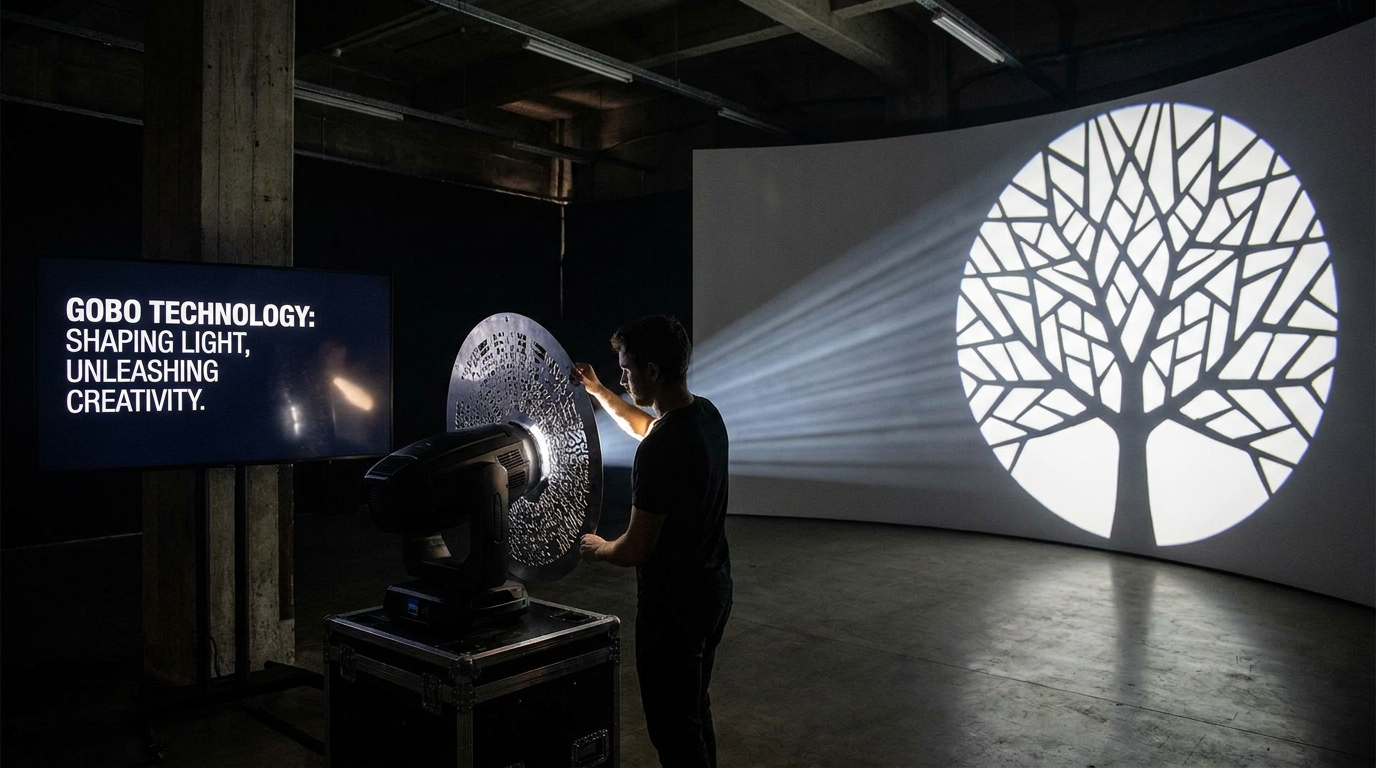
Understanding the Meaning of a Gobo
A gobo is a small template or stencil placed inside or in front of a lighting fixture to shape and control the projected light. The term is commonly associated with stage lighting and production design, where it creates patterns, logos, textures, or artistic effects on walls, floors, and backgrounds. Gobos are usually made from metal, glass, or specialized materials depending on the complexity of the design and the lighting equipment used. Lighting designers rely on these tools to add depth and atmosphere to visual presentations. Understanding the basic purpose of a gobo helps explain why it remains an important element in entertainment, architectural lighting, and creative visual production worldwide.
The History and Development of Gobo Technology
The use of gobo technology developed alongside advancements in theatrical and stage lighting during the twentieth century. Early lighting designers experimented with physical templates to manipulate light and create dramatic visual effects for performances. As technology improved, gobos became more precise, durable, and versatile, allowing designers to project increasingly detailed patterns and images. The transition from traditional incandescent fixtures to modern LED and intelligent lighting systems further expanded creative possibilities. Today, digital production environments rely heavily on advanced gobo systems for concerts, television productions, exhibitions, and public events. The evolution of gobo technology demonstrates how simple lighting innovations can significantly influence artistic expression and audience experience across industries.
How Gobos Improve Stage and Theater Productions
Stage productions often depend on lighting to create emotion, atmosphere, and visual storytelling, making the gobo an essential creative tool in theater environments. Designers use gobos to simulate realistic textures such as trees, windows, clouds, or urban scenery without requiring physical stage elements. This allows productions to achieve visually rich scenes while reducing set construction costs and complexity. In dramatic performances, carefully designed light patterns can influence mood and audience perception. Gobos also support quick scene transitions because projected images can change rapidly during performances. Their flexibility and artistic value explain why gobos remain widely used in modern theater productions where lighting plays a central role in storytelling and stage design.
The Role of Gobos in Concert and Event Lighting
Concerts and live events frequently use gobo projections to create immersive visual experiences for audiences. Lighting designers combine moving lights, colors, and custom gobo patterns to enhance musical performances and energize large venues. Event organizers also use gobos for branding by projecting company logos, event names, or themed graphics onto stages and walls. These projections help strengthen visual identity while making events appear more professional and memorable. In weddings and corporate gatherings, gobos add elegance and personalization to the environment. The growing popularity of immersive entertainment experiences has increased demand for creative lighting techniques, making the gobo an important component of modern event production and audience engagement strategies.
Architectural Lighting and Decorative Applications
Beyond entertainment, gobo technology is widely used in architectural and decorative lighting projects. Designers project artistic patterns onto buildings, walkways, gardens, and public spaces to create visually appealing environments. During festivals and seasonal celebrations, gobos help transform urban spaces with dynamic light displays and themed imagery. Hotels, restaurants, and retail businesses also use decorative projections to enhance customer experience and strengthen brand identity. Architectural lighting designers appreciate gobos because they provide flexibility without requiring permanent structural changes. The ability to create sophisticated visual effects through lighting alone makes gobos valuable in commercial and public design projects where atmosphere, aesthetics, and visual creativity influence visitor impressions and engagement.
Different Types of Gobo Materials
Gobos are produced using different materials depending on the complexity of the design and intended application. Metal gobos are durable and commonly used for simple patterns and shapes because they withstand high temperatures effectively. Glass gobos allow designers to project highly detailed images, multiple colors, and intricate artistic effects that metal cannot achieve. Plastic and digital alternatives are also available for specific low-heat or temporary applications. Each material offers unique advantages related to clarity, durability, and cost. Choosing the right gobo type depends on the lighting fixture, desired visual effect, and production environment. Understanding these material differences helps designers create effective and visually impressive lighting displays.
Creative Possibilities Through Custom Gobo Designs
One of the most exciting aspects of gobo technology is the ability to create fully customized designs for artistic and commercial purposes. Businesses frequently use custom gobos to project logos during corporate events, product launches, or promotional campaigns. Artists and lighting designers develop unique patterns that enhance storytelling, emotional atmosphere, or thematic presentation. In weddings and celebrations, personalized projections add emotional value and memorable visual details. The flexibility of custom designs allows lighting professionals to adapt creative concepts to nearly any environment or occasion. This customization potential explains why gobos remain popular in industries where visual identity, audience engagement, and creative presentation are highly valued.
Modern Technology and the Future of Gobos
Advancements in lighting technology continue shaping the future of gobo applications and creative possibilities. Intelligent lighting systems now allow designers to rotate, animate, and combine gobos digitally with colors and movement effects. LED technology has improved energy efficiency while expanding visual precision and flexibility. Some modern systems integrate digital projection methods that work alongside traditional gobos to create interactive experiences. As virtual production and immersive entertainment continue growing, lighting designers are finding new ways to use gobos in innovative environments. The future of gobo technology will likely involve even greater integration with digital systems, offering enhanced artistic control and more dynamic visual storytelling opportunities across industries worldwide.
Why Gobos Remain Important in Visual Design
Despite rapid advancements in digital media and projection technology, gobos remain important because they offer simplicity, reliability, and creative versatility. Designers continue using them because they provide cost-effective solutions for creating dramatic visual effects without requiring large digital systems. Their ability to transform spaces quickly and efficiently makes them valuable in live entertainment, architecture, and commercial design. Gobos also encourage artistic experimentation because designers can combine patterns, textures, and movement in endless ways. As visual experiences become increasingly important in modern communication and entertainment, the role of gobos continues evolving while maintaining their original purpose of shaping light creatively and enhancing audience engagement through visual atmosphere.
Conclusion
Gobo technology has become a powerful tool in modern lighting design, influencing entertainment, architecture, branding, and artistic presentation across many industries. From stage productions to corporate events, gobos allow designers to create visually engaging environments using projected patterns and creative lighting effects. Their versatility, affordability, and adaptability continue making them valuable even as digital technologies evolve rapidly. The ability to customize and enhance spaces through light alone demonstrates the lasting importance of this simple yet highly effective innovation. As visual storytelling and immersive experiences become more significant worldwide, gobo systems will continue playing an essential role in shaping creative environments and memorable audience experiences for years to come.