
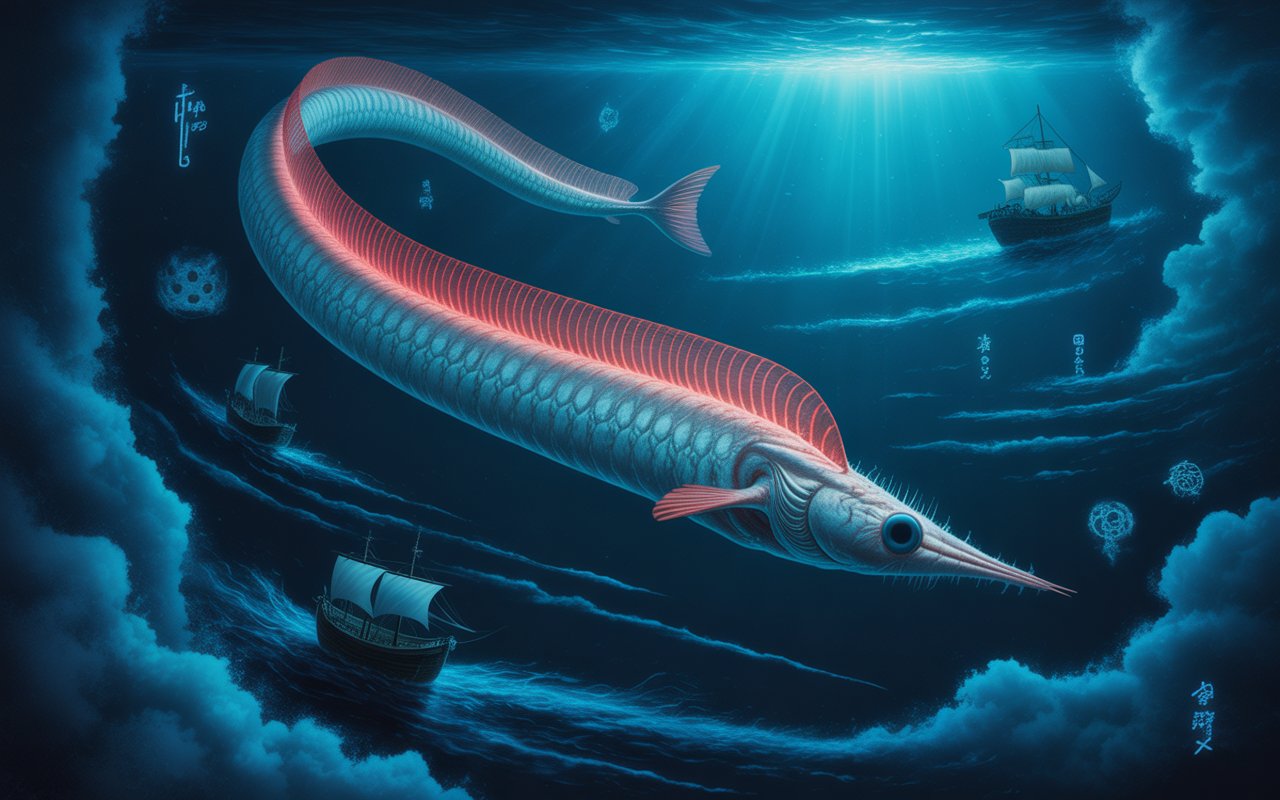
The oarfish doomsday fish has fascinated people across cultures for centuries, blending science with myth in a truly unique way. Known for its long, ribbon-like body and striking appearance, this deep-sea creature often sparks curiosity whenever it is seen near the surface. Rare sightings have led to stories linking it with natural disasters, especially earthquakes. While its mysterious nature captures public imagination, scientists continue to study it to separate fact from fiction. Understanding this unusual fish offers valuable insight into marine ecosystems and helps clarify the origins of the legends surrounding this remarkable ocean inhabitant.
What Is the Oarfish Doomsday Fish
The oarfish doomsday fish refers to a species of deep-sea fish known for its elongated body and shimmering silver skin. It is considered one of the longest bony fish in the world, sometimes reaching lengths of over thirty feet. Typically found at great depths, it rarely comes close to the surface, which adds to its mysterious reputation. Its unusual appearance, including a bright red dorsal fin, makes it instantly recognizable. Because sightings are rare, each encounter often draws significant attention. This fish has become widely known not only for its size but also for the myths surrounding its unexpected appearances.
Origins of the Doomsday Legend
The association between the oarfish doomsday fish and impending disasters originates from ancient folklore, particularly in coastal regions of Asia. In some traditions, the fish is believed to rise to the surface before earthquakes or other natural events. These beliefs likely developed because sightings are so uncommon that they were often linked to unusual occurrences. Historical accounts have recorded instances where oarfish appeared before seismic activity, reinforcing the myth. However, such connections are largely anecdotal. Despite this, the legend continues to persist, fueled by modern media coverage whenever a rare sighting of this deep-sea creature occurs.
Scientific Perspective on the Myth
From a scientific standpoint, there is no solid evidence supporting the idea that the oarfish doomsday fish can predict natural disasters. Marine biologists suggest that the fish may surface due to illness, injury, or changes in ocean conditions. Deep-sea disturbances, such as shifts in water temperature or pressure, could also play a role in these rare appearances. While it is possible that environmental changes affecting both marine life and geological activity occur simultaneously, this does not imply a direct connection. Scientists emphasize the importance of relying on data rather than folklore when interpreting the behavior of such elusive ocean species.
Habitat and Deep-Sea Lifestyle
The oarfish doomsday fish typically inhabits the mesopelagic and bathypelagic zones of the ocean, which are far below the surface and receive little sunlight. These environments are characterized by high pressure, low temperatures, and limited visibility. The fish is well adapted to this habitat, using its long body to move gracefully through the water. It feeds primarily on small plankton, crustaceans, and other tiny marine organisms. Because of its deep-sea lifestyle, direct observation is extremely difficult, and much of what is known about it comes from rare encounters or specimens found near the surface.
Physical Characteristics and Unique Features
One of the most striking aspects of the oarfish doomsday fish is its distinctive appearance. Its body is long, flat, and ribbon-like, with a metallic sheen that reflects light beautifully. The bright red dorsal fin runs along its entire length, creating a dramatic contrast with its silver body. Unlike many fish, it does not have scales but instead has smooth, delicate skin. Its small mouth and lack of visible teeth indicate a diet of soft prey. These features make it both visually fascinating and biologically unique, contributing to the intrigue that surrounds this rarely seen marine species.
Why Oarfish Appear Near the Surface
When the oarfish doomsday fish is spotted near the surface, it often raises questions about the reasons behind its unusual behavior. Experts believe that such appearances are typically a sign of distress rather than a natural habit. Illness, injury, or disorientation can cause the fish to leave its deep-sea environment. In some cases, strong ocean currents or environmental changes may push it upward. These factors explain why sightings are often associated with weak or dying individuals. Understanding these reasons helps demystify the phenomenon and reduces the likelihood of misinterpreting these rare events as warnings of impending disasters.
Cultural Significance Around the World
The oarfish doomsday fish holds cultural significance in various parts of the world, particularly in regions with strong maritime traditions. In Japan, it is sometimes referred to as a messenger from the sea god, believed to signal upcoming earthquakes. Similar beliefs exist in other coastal communities, where the fish is seen as an omen. These interpretations reflect the human tendency to connect unusual natural events with larger meanings. While modern science challenges these ideas, they remain an important part of cultural heritage. The fish continues to inspire stories, art, and discussions that blend tradition with contemporary understanding.
Role in Marine Ecosystems
Despite its mysterious reputation, the oarfish doomsday fish plays a normal and important role in marine ecosystems. As a predator of small organisms, it helps maintain balance within its environment. Its presence also contributes to the biodiversity of deep-sea habitats, which are still not fully understood. Studying this species can provide insights into the health of ocean ecosystems and the impact of environmental changes. Although it is rarely seen, its existence highlights the complexity and diversity of life beneath the ocean’s surface. Protecting such species is essential for maintaining ecological stability and understanding marine life.
Conclusion
Oarfish Doomsday Fish: Mystery, Myth, and Marine Reality
The oarfish doomsday fish has fascinated people across cultures for centuries, blending science with myth in a truly unique way. Known for its long, ribbon-like body and striking appearance, this deep-sea creature often sparks curiosity whenever it is seen near the surface. Rare sightings have led to stories linking it with natural disasters, especially earthquakes. While its mysterious nature captures public imagination, scientists continue to study it to separate fact from fiction. Understanding this unusual fish offers valuable insight into marine ecosystems and helps clarify the origins of the legends surrounding this remarkable ocean inhabitant.
What Is the Oarfish Doomsday Fish
The oarfish doomsday fish refers to a species of deep-sea fish known for its elongated body and shimmering silver skin. It is considered one of the longest bony fish in the world, sometimes reaching lengths of over thirty feet. Typically found at great depths, it rarely comes close to the surface, which adds to its mysterious reputation. Its unusual appearance, including a bright red dorsal fin, makes it instantly recognizable. Because sightings are rare, each encounter often draws significant attention. This fish has become widely known not only for its size but also for the myths surrounding its unexpected appearances.
Origins of the Doomsday Legend
The association between the oarfish doomsday fish and impending disasters originates from ancient folklore, particularly in coastal regions of Asia. In some traditions, the fish is believed to rise to the surface before earthquakes or other natural events. These beliefs likely developed because sightings are so uncommon that they were often linked to unusual occurrences. Historical accounts have recorded instances where oarfish appeared before seismic activity, reinforcing the myth. However, such connections are largely anecdotal. Despite this, the legend continues to persist, fueled by modern media coverage whenever a rare sighting of this deep-sea creature occurs.
Scientific Perspective on the Myth
From a scientific standpoint, there is no solid evidence supporting the idea that the oarfish doomsday fish can predict natural disasters. Marine biologists suggest that the fish may surface due to illness, injury, or changes in ocean conditions. Deep-sea disturbances, such as shifts in water temperature or pressure, could also play a role in these rare appearances. While it is possible that environmental changes affecting both marine life and geological activity occur simultaneously, this does not imply a direct connection. Scientists emphasize the importance of relying on data rather than folklore when interpreting the behavior of such elusive ocean species.
Habitat and Deep-Sea Lifestyle
The oarfish doomsday fish typically inhabits the mesopelagic and bathypelagic zones of the ocean, which are far below the surface and receive little sunlight. These environments are characterized by high pressure, low temperatures, and limited visibility. The fish is well adapted to this habitat, using its long body to move gracefully through the water. It feeds primarily on small plankton, crustaceans, and other tiny marine organisms. Because of its deep-sea lifestyle, direct observation is extremely difficult, and much of what is known about it comes from rare encounters or specimens found near the surface.
Physical Characteristics and Unique Features
One of the most striking aspects of the oarfish doomsday fish is its distinctive appearance. Its body is long, flat, and ribbon-like, with a metallic sheen that reflects light beautifully. The bright red dorsal fin runs along its entire length, creating a dramatic contrast with its silver body. Unlike many fish, it does not have scales but instead has smooth, delicate skin. Its small mouth and lack of visible teeth indicate a diet of soft prey. These features make it both visually fascinating and biologically unique, contributing to the intrigue that surrounds this rarely seen marine species.
Why Oarfish Appear Near the Surface
When the oarfish doomsday fish is spotted near the surface, it often raises questions about the reasons behind its unusual behavior. Experts believe that such appearances are typically a sign of distress rather than a natural habit. Illness, injury, or disorientation can cause the fish to leave its deep-sea environment. In some cases, strong ocean currents or environmental changes may push it upward. These factors explain why sightings are often associated with weak or dying individuals. Understanding these reasons helps demystify the phenomenon and reduces the likelihood of misinterpreting these rare events as warnings of impending disasters.
Cultural Significance Around the World
The oarfish doomsday fish holds cultural significance in various parts of the world, particularly in regions with strong maritime traditions. In Japan, it is sometimes referred to as a messenger from the sea god, believed to signal upcoming earthquakes. Similar beliefs exist in other coastal communities, where the fish is seen as an omen. These interpretations reflect the human tendency to connect unusual natural events with larger meanings. While modern science challenges these ideas, they remain an important part of cultural heritage. The fish continues to inspire stories, art, and discussions that blend tradition with contemporary understanding.
Role in Marine Ecosystems
Despite its mysterious reputation, the oarfish doomsday fish plays a normal and important role in marine ecosystems. As a predator of small organisms, it helps maintain balance within its environment. Its presence also contributes to the biodiversity of deep-sea habitats, which are still not fully understood. Studying this species can provide insights into the health of ocean ecosystems and the impact of environmental changes. Although it is rarely seen, its existence highlights the complexity and diversity of life beneath the ocean’s surface. Protecting such species is essential for maintaining ecological stability and understanding marine life.
Conclusion
The oarfish doomsday fish remains one of the ocean’s most intriguing and misunderstood creatures. Its rare appearances and striking appearance have given rise to myths that continue to capture public attention. However, scientific research offers more practical explanations for its behavior, helping to separate fact from folklore. By exploring its habitat, characteristics, and ecological role, it becomes clear that this fish is not a harbinger of disaster but a fascinating part of marine life. Understanding the truth behind the legend allows for a deeper appreciation of the ocean’s mysteries and the remarkable species that inhabit its depths.
Oarfish Doomsday Fish: Mystery, Myth, and Marine Reality
The oarfish doomsday fish has fascinated people across cultures for centuries, blending science with myth in a truly unique way. Known for its long, ribbon-like body and striking appearance, this deep-sea creature often sparks curiosity whenever it is seen near the surface. Rare sightings have led to stories linking it with natural disasters, especially earthquakes. While its mysterious nature captures public imagination, scientists continue to study it to separate fact from fiction. Understanding this unusual fish offers valuable insight into marine ecosystems and helps clarify the origins of the legends surrounding this remarkable ocean inhabitant.
What Is the Oarfish Doomsday Fish
The oarfish doomsday fish refers to a species of deep-sea fish known for its elongated body and shimmering silver skin. It is considered one of the longest bony fish in the world, sometimes reaching lengths of over thirty feet. Typically found at great depths, it rarely comes close to the surface, which adds to its mysterious reputation. Its unusual appearance, including a bright red dorsal fin, makes it instantly recognizable. Because sightings are rare, each encounter often draws significant attention. This fish has become widely known not only for its size but also for the myths surrounding its unexpected appearances.
Origins of the Doomsday Legend
The association between the oarfish doomsday fish and impending disasters originates from ancient folklore, particularly in coastal regions of Asia. In some traditions, the fish is believed to rise to the surface before earthquakes or other natural events. These beliefs likely developed because sightings are so uncommon that they were often linked to unusual occurrences. Historical accounts have recorded instances where oarfish appeared before seismic activity, reinforcing the myth. However, such connections are largely anecdotal. Despite this, the legend continues to persist, fueled by modern media coverage whenever a rare sighting of this deep-sea creature occurs.
Scientific Perspective on the Myth
From a scientific standpoint, there is no solid evidence supporting the idea that the oarfish doomsday fish can predict natural disasters. Marine biologists suggest that the fish may surface due to illness, injury, or changes in ocean conditions. Deep-sea disturbances, such as shifts in water temperature or pressure, could also play a role in these rare appearances. While it is possible that environmental changes affecting both marine life and geological activity occur simultaneously, this does not imply a direct connection. Scientists emphasize the importance of relying on data rather than folklore when interpreting the behavior of such elusive ocean species.
Habitat and Deep-Sea Lifestyle
The oarfish doomsday fish typically inhabits the mesopelagic and bathypelagic zones of the ocean, which are far below the surface and receive little sunlight. These environments are characterized by high pressure, low temperatures, and limited visibility. The fish is well adapted to this habitat, using its long body to move gracefully through the water. It feeds primarily on small plankton, crustaceans, and other tiny marine organisms. Because of its deep-sea lifestyle, direct observation is extremely difficult, and much of what is known about it comes from rare encounters or specimens found near the surface.
Physical Characteristics and Unique Features
One of the most striking aspects of the oarfish doomsday fish is its distinctive appearance. Its body is long, flat, and ribbon-like, with a metallic sheen that reflects light beautifully. The bright red dorsal fin runs along its entire length, creating a dramatic contrast with its silver body. Unlike many fish, it does not have scales but instead has smooth, delicate skin. Its small mouth and lack of visible teeth indicate a diet of soft prey. These features make it both visually fascinating and biologically unique, contributing to the intrigue that surrounds this rarely seen marine species.
Why Oarfish Appear Near the Surface
When the oarfish doomsday fish is spotted near the surface, it often raises questions about the reasons behind its unusual behavior. Experts believe that such appearances are typically a sign of distress rather than a natural habit. Illness, injury, or disorientation can cause the fish to leave its deep-sea environment. In some cases, strong ocean currents or environmental changes may push it upward. These factors explain why sightings are often associated with weak or dying individuals. Understanding these reasons helps demystify the phenomenon and reduces the likelihood of misinterpreting these rare events as warnings of impending disasters.
Cultural Significance Around the World
The oarfish doomsday fish holds cultural significance in various parts of the world, particularly in regions with strong maritime traditions. In Japan, it is sometimes referred to as a messenger from the sea god, believed to signal upcoming earthquakes. Similar beliefs exist in other coastal communities, where the fish is seen as an omen. These interpretations reflect the human tendency to connect unusual natural events with larger meanings. While modern science challenges these ideas, they remain an important part of cultural heritage. The fish continues to inspire stories, art, and discussions that blend tradition with contemporary understanding.
Role in Marine Ecosystems
Despite its mysterious reputation, the oarfish doomsday fish plays a normal and important role in marine ecosystems. As a predator of small organisms, it helps maintain balance within its environment. Its presence also contributes to the biodiversity of deep-sea habitats, which are still not fully understood. Studying this species can provide insights into the health of ocean ecosystems and the impact of environmental changes. Although it is rarely seen, its existence highlights the complexity and diversity of life beneath the ocean’s surface. Protecting such species is essential for maintaining ecological stability and understanding marine life.
Conclusion
The oarfish doomsday fish remains one of the ocean’s most intriguing and misunderstood creatures. Its rare appearances and striking appearance have given rise to myths that continue to capture public attention. However, scientific research offers more practical explanations for its behavior, helping to separate fact from folklore. By exploring its habitat, characteristics, and ecological role, it becomes clear that this fish is not a harbinger of disaster but a fascinating part of marine life. Understanding the truth behind the legend allows for a deeper appreciation of the ocean’s mysteries and the remarkable species that inhabit its depths.