
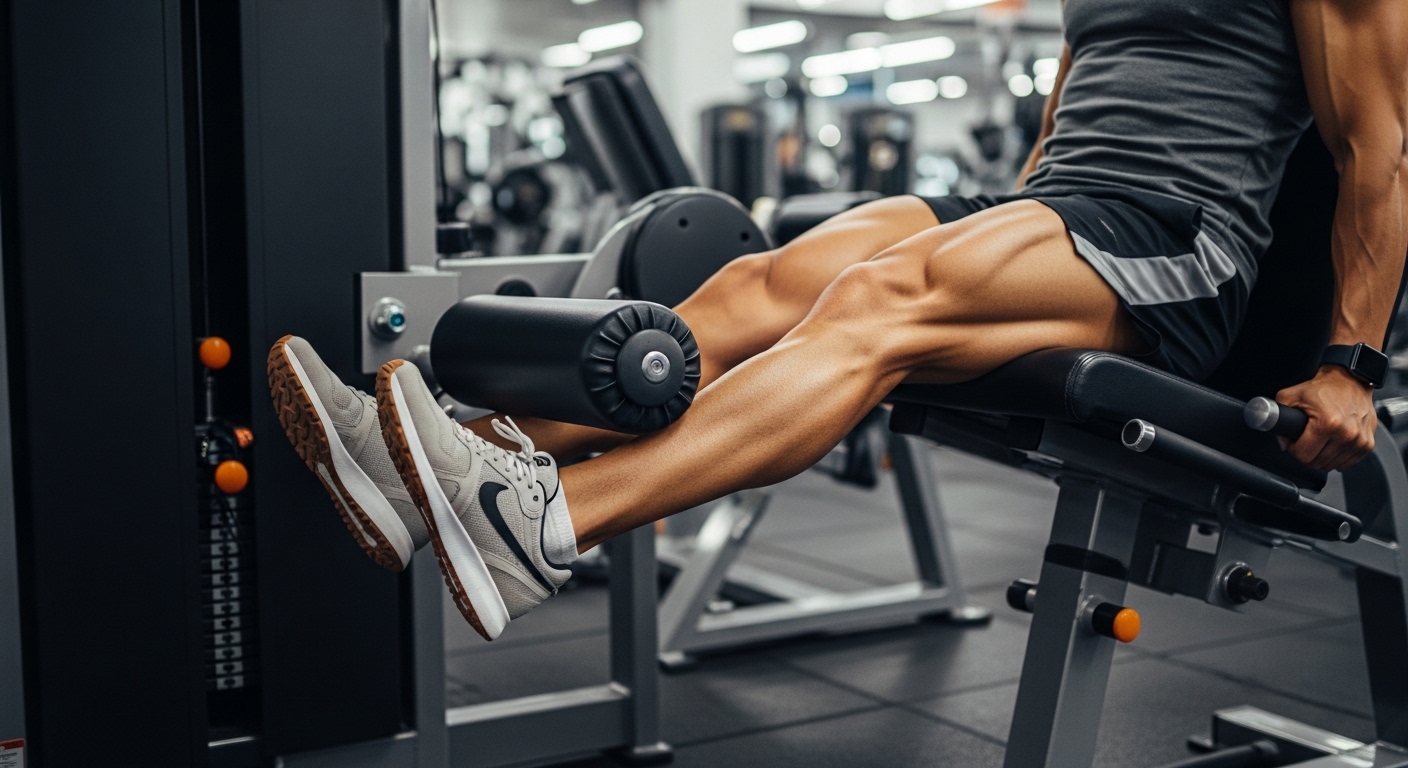
The leg extension is one of the most effective lower-body exercises for targeting and strengthening the quadriceps muscles. Commonly performed on a dedicated machine in gyms, this exercise isolates the front thigh muscles and helps improve leg definition, strength, and stability. Whether you are a beginner starting your fitness journey or an experienced athlete aiming to improve lower-body performance, the leg extension can be a valuable part of your workout routine. Its controlled movement and focused muscle engagement make it ideal for building strength, supporting knee function, and enhancing overall leg development in a safe and structured manner.
Understanding the Leg Extension Exercise
The leg extension is a resistance-based exercise specifically designed to isolate the quadriceps, the large muscle group located at the front of the thigh. It is usually performed using a seated machine where the user lifts a padded bar upward by extending the knees. This simple but effective movement focuses tension directly on the quadriceps without heavily involving the hips or other supporting muscles. Because of its isolation benefits, the leg extension is often used in both strength-training and rehabilitation programs. It allows precise control over weight and motion, making it suitable for people at different fitness levels and training goals.
Muscles Targeted During Leg Extension
The primary muscles worked during the leg extension are the quadriceps, which include the rectus femoris, vastus lateralis, vastus medialis, and vastus intermedius. These muscles play a major role in knee extension, walking, running, jumping, and overall lower-body strength. By focusing specifically on these muscles, the leg extension helps improve thigh definition and muscle tone. Secondary stabilizing muscles around the knee may also engage slightly during the movement. Strengthening the quadriceps through this exercise can improve athletic performance, support functional daily movements, and contribute to better knee joint stability, making it a valuable addition to leg-focused workout routines.
Benefits of Including Leg Extension in Your Routine
Adding the leg extension to your workout plan offers several important benefits. One of the main advantages is its ability to isolate the quadriceps more effectively than many compound leg exercises. This helps build muscle strength and definition in the thighs. It is also useful for correcting muscle imbalances, especially when one leg is weaker than the other. The controlled movement reduces the complexity of form, making it beginner-friendly. Additionally, stronger quadriceps can support better performance in exercises like squats and lunges. For athletes, this exercise contributes to improved running speed, jumping power, and lower-body endurance over time.
Proper Technique for Safe Performance
Performing the leg extension with correct technique is essential for safety and effectiveness. Start by sitting upright on the machine with your back firmly against the support pad. Position your ankles behind the padded roller and adjust the seat so that your knees align with the machine’s pivot point. Slowly extend your legs until they are nearly straight without locking the knees completely. Hold the position briefly to maximize muscle contraction, then lower the weight back in a controlled manner. Avoid using momentum or lifting too heavy, as this can place unnecessary stress on the knee joints and reduce the quality of muscle activation.
Common Mistakes to Avoid
Although the leg extension is a straightforward exercise, certain mistakes can reduce its effectiveness and increase injury risk. One common error is using excessive weight, which often leads to poor control and strain on the knees. Another mistake is swinging the legs quickly instead of maintaining a slow and controlled movement. Locking the knees forcefully at the top of the motion should also be avoided, as it can stress the joint. Poor seat adjustment is another issue that may cause discomfort and incorrect alignment. Paying attention to form and controlled repetitions ensures the leg extension remains safe and delivers maximum benefits.
Leg Extension for Rehabilitation and Recovery
The leg extension is frequently used in physical therapy and rehabilitation settings to help rebuild quadriceps strength after knee injuries or surgery. Because the movement is isolated and controlled, it allows patients to strengthen weakened muscles without performing complex compound exercises. Under professional supervision, the exercise can help restore knee function, improve mobility, and support recovery progress. It is especially helpful after ligament injuries or post-surgical rehabilitation programs where gradual strength rebuilding is required. However, individuals recovering from injury should always follow medical advice regarding resistance levels and movement range to ensure the exercise supports healing rather than causing further stress.
How It Supports Athletic Performance
For athletes, the leg extension can play a strategic role in improving performance. Strong quadriceps are essential for sports that involve sprinting, jumping, kicking, and sudden directional changes. The exercise helps develop explosive power in the thighs, which contributes to better speed and agility. Football players, runners, cyclists, and gym enthusiasts often use the leg extension to strengthen muscles that support their sport-specific movements. By isolating the quadriceps, athletes can focus on building targeted strength that may not always be fully developed through compound lifts alone. This makes the exercise useful for both performance enhancement and injury prevention.
Combining Leg Extension with Other Exercises
While the leg extension is highly effective, it works best when combined with other lower-body exercises. Pairing it with movements such as squats, lunges, leg presses, and hamstring curls creates a balanced leg workout. Compound exercises build overall strength and coordination, while the leg extension adds focused quadriceps isolation. This combination helps improve muscle symmetry and complete lower-body development. Including both isolation and compound exercises in a routine ensures that all major leg muscles receive adequate attention. The result is stronger thighs, improved knee support, and better functional movement patterns for both fitness and daily life activities.
Conclusion
The leg extension remains one of the most reliable exercises for strengthening and defining the quadriceps. Its simple movement, targeted muscle activation, and adaptability for different fitness levels make it a valuable addition to any leg workout program. From beginners seeking stronger thighs to athletes aiming for improved performance, this exercise offers practical benefits for many goals. When performed with proper technique and balanced with other lower-body exercises, the leg extension supports muscle growth, knee stability, and overall leg strength. Its lasting value in fitness and rehabilitation continues to make it a trusted choice in strength training routines.